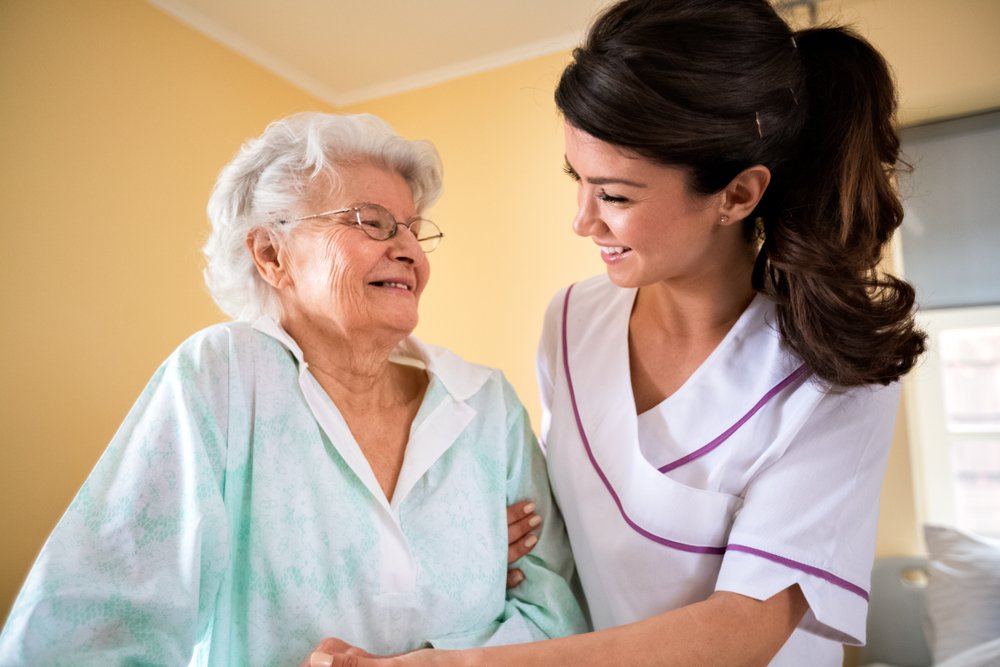
Music therapy offers numerous benefits for seniors, significantly enhancing their quality of life. Engaging with music can stimulate cognitive function, improve emotional well-being, and provide a way to obtain joy and comfort. Seniors participating in music therapy often experience reduced anxiety, improved mood, and enhanced social interaction. Integrating music therapy into senior home care routines could be particularly effective. Are now living in care professionals and live in care agencies recognize the positive impact of music therapy and often incorporate it within their caregiving strategies to foster a supportive and enriching environment for seniors. One of the very most significant great things about music therapy for seniors is cognitive stimulation. Music engages multiple aspects of the mind, which can help maintain and even improve cognitive function in older adults. This is particularly good for seniors with dementia or Alzheimer's disease, as music can trigger memories and provide a feeling of familiarity and comfort. In the context of 24 hour care at home and 24 hour home care, caregivers can use music therapy to produce a stimulating environment that promotes mental engagement and reduces the progression of cognitive decline.
Emotional well-being is another area where music therapy excels. Music has the ability to evoke emotions and memories, providing an outlet for expression and emotional release. Seniors often experience feelings of isolation or depression, and music therapy will help alleviate these emotions by fostering a feeling of connection and belonging. Live in care providers, particularly those involved in 24 hour care in home, can utilize music to produce a soothing and positive atmosphere, helping seniors manage their emotions more effectively. This emotional support is vital for maintaining overall mental health and well-being. Music therapy also plays a vital role in social interaction for seniors. Group music therapy sessions encourage seniors to talk with one another, fostering a feeling of community and reducing feelings of loneliness. This social aspect is required for seniors who could have limited opportunities for interaction. Reside in care agencies often organize group activities, including music therapy, to market social engagement amongst their clients. In settings such as for example home respite care and private respite care in the home, music therapy could be a valuable tool for bringing seniors together and enhancing their social connections. For seniors dealing with illness or surgery, music therapy is definitely an important component of home care after hospital discharge. It provides a non-invasive and enjoyable way to aid physical rehabilitation and pain management.
Playing or participating in music can distract from discomfort and encourage movement, which can be very theraputic for recovery. Caregivers providing after hospital home care or after hospital care in the home can incorporate music therapy into their care plans to assist in the healing process. This holistic approach ensures that seniors receive comprehensive support in their recovery. As well as its cognitive, emotional, and social benefits, music therapy also can enhance the entire caregiving experience. Reside in respite care providers can use music therapy as a tool to create rapport with seniors and produce a more engaging and supportive environment. Music can serve as a typical ground, helping caregivers connect using their clients on a greater level. This connection is especially important in 24 hour home care settings, where continuous care and companionship are essential. By integrating music therapy within their care routines, caregivers provides a far more personalized and fulfilling experience for seniors. In conclusion, music therapy offers a variety of benefits for seniors, from cognitive stimulation and emotional well-being to social interaction and physical rehabilitation. Incorporating music therapy into senior home care routines, whether through live in care or 24 hour care in the home, can greatly enhance the standard of living for seniors. Live in care agencies and caregivers play an essential role in implementing music therapy, making a supportive and enriching environment that fosters general health and happiness for seniors.



No comments:
Post a Comment