Tuesday, June 18, 2024

A Few Details About 24 Hour Care In Home

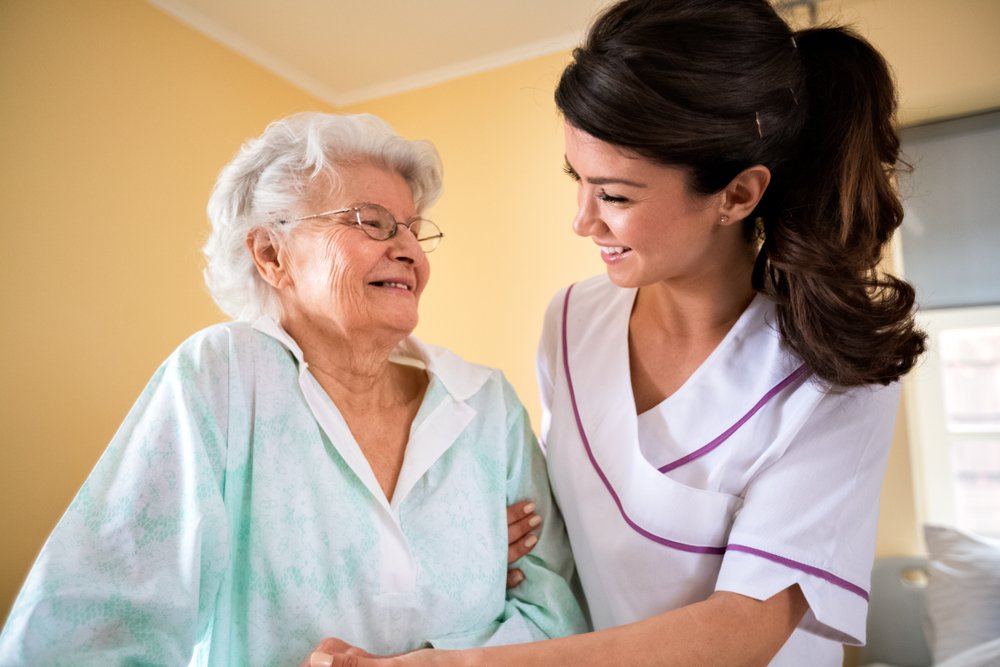
Social interaction is essential for older adults, and plays significant roles in their overall well-being. Regular engagement with others helps prevent feelings of loneliness and isolation which are common for the elderly. Research suggests that social interaction can enhance cognitive health, mental wellbeing and physical health. Seniors who have good social connections typically have an improved quality of life. For those receiving services from an agency that provides live-in care, ensuring regular social interaction is a vital part of their care plan. Caregiver caregivers can facilitate these interactions to help seniors stay connected to their family and friends, and participate in activities for the community. Live in care offers the opportunity for senior citizens to receive individualized care while remaining in their homes. This type of care allows for a caregiver to be available round the clock, ensuring the senior's needs are met at all times. One of the most important aspects of this kind of care is to encourage social interactions. Caregivers are able to accompany seniors to social occasions, assist them to remain in contact with family members, and participate in meaningful conversations. Are you looking about 24 hour care in home? Go to the previously talked about website.

Being caregivers in 24-hour care at home can dramatically decrease feelings of isolation as well as provide emotional support and a sense of companionship. For seniors recovering from surgery or illness and hospitalization, maintaining a home-based care can be crucial for a successful recovery. During this period, social interaction is equally crucial as it helps in mental recovery and keeps spirits high. After hospital care at home often includes not only medical care but also assistance for social engagement. Caregiver support can encourage seniors to meet with family and friends and engage with light exercises, and keep a positive outlook. Combining medical treatment and social interaction can help speed healing and enhance the overall quality of life. Home-based respite services provide temporary relief for primary caregivers, making sure the loved ones get the best care during their absence. Private care for respite at home and live in respite care are tailored to meet the unique requirements of senior citizens, including their need for social interactions. The temporary caregiver can introduce new social activities, offer fresh companionship and social engagement. This is not just beneficial to the caregiver who is in charge but gives the elderly an opportunity to interact with new people, potentially forming new friendships and enriching their social life.

Senior home care services stress the importance of a healthy lifestyle that involves social activities. Caregivers can organize groups, assist seniors join clubs or take part in activities that require interaction with other people. These activities are crucial for keeping mental alertness and well-being. The 24-hour care provided in the home ensures that seniors have constant access for social stimulation, whether through conversations with their caregivers or planned social outings. The continuous interactions aid in reducing anxiety and depression, common issues faced by people who live on their own. In the end, social interaction is a crucial aspect in senior care. It can be done through live-in care, 24/7 home care or respite care, making sure that seniors stay socially engaged will greatly improve their quality of life. Regular social interaction can help to combat loneliness, boosts mental health, and contributes to physical wellbeing. Live-in care services play an important role in facilitating these social interactions and ensuring that seniors live a happy and fulfilled life. Through prioritizing social engagement, caregivers can help seniors maintain solid connections and maintain optimism about life, which is vital for their general health and well-being.

Monday, June 17, 2024

Individual Guide On 24 Hour Home Care

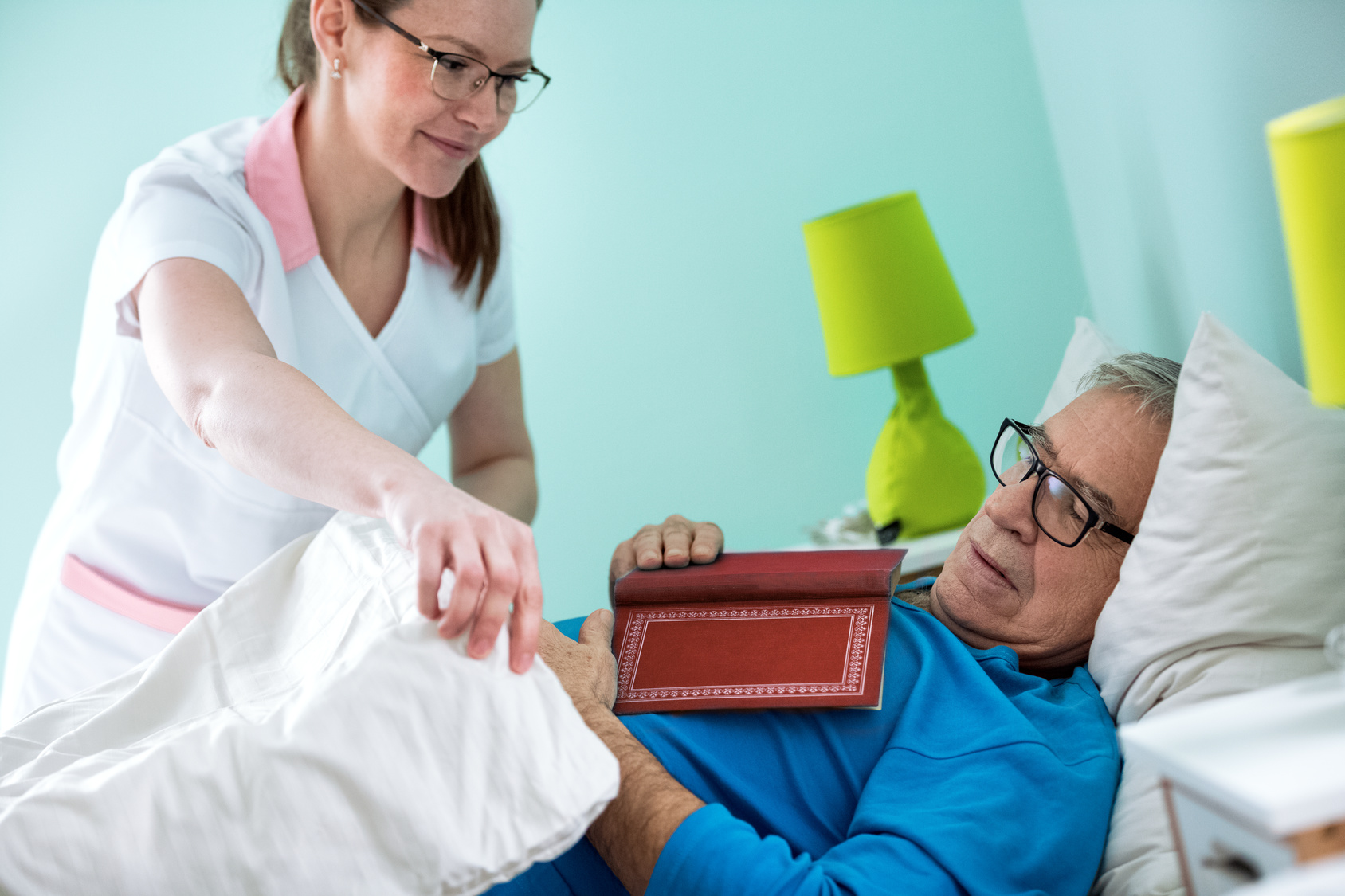
Technology is now a built-in section of senior care, significantly enhancing the standard of living for older adults. From health monitoring devices to communication tools, technology offers various solutions to handle the initial needs of seniors. For those receiving 24 hour care in the home, technology can offer continuous monitoring and quick responses to emergencies, ensuring their safety and well-being. Senior home care services are increasingly incorporating technology to enhance care delivery and maintain independence for seniors. These advancements help produce a more supportive and efficient care environment, benefiting both seniors and their caregivers. One of the very most significant great things about technology in senior care is health monitoring. Wearable devices and smart home systems can track vital signs, medication adherence, and activity levels, providing real-time data to caregivers and healthcare professionals. This continuous monitoring is specially very theraputic for seniors with chronic conditions or those recovering from surgery. After hospital home care could be greatly enhanced by these technologies, ensuring that seniors receive timely interventions if their health status changes. By integrating these tools into after hospital care in the home, caregivers provides a greater degree of care and peace of mind for families. Communication technology also plays a crucial role in senior care. Video calling platforms, social networking, and specialized apps help seniors stay linked to family and friends, reducing feelings of isolation and loneliness.

For those in 24 hour home care, maintaining social connections is required for emotional well-being. Are now living in care agencies often use technology to facilitate communication between caregivers, seniors, and their own families, ensuring most people are informed and active in the care process. These tools also allow for virtual consultations with healthcare providers, rendering it easier for seniors to access medical advice without leaving their homes. Assistive technologies are another vital aspect of senior care. Devices such as hearing aids, mobility aids, and voice-activated assistants can significantly improve daily living for seniors. These technologies enable greater independence and safety, allowing seniors to execute tasks that could otherwise be challenging. Reside in care providers may use assistive technologies to enhance the support they offer, tailoring care to generally meet the person needs of each senior. This personalized approach ensures that seniors receive the very best care possible, whether they are in home respite care or receiving private respite care at home. Technology also supports caregivers in managing their responsibilities more effectively. Care management software and mobile apps can streamline scheduling, task management, and communication among care teams. This is particularly useful for reside in care agency staff, who need to coordinate multiple aspects of care delivery. By using these tools, caregivers can ensure that they offer consistent and high-quality care, whether it's 24 hour care in home or are now living in respite care.

The ability to monitor and manage care remotely also permits more flexible and responsive care arrangements. In addition to improving the caliber of care, technology also can enhance the entire caregiving experience. Tools that facilitate training and education help caregivers stay informed about best practices and new developments in senior care. As an example, online training modules and virtual workshops can keep live in care providers updated on the newest techniques and technologies. This continuous learning ensures that caregivers are well-equipped to deal with the diverse needs of seniors, whether they need home care after hospital or long-term support. By leveraging technology, caregivers provides more efficient and compassionate care, improving outcomes for seniors. In summary, technology plays a pivotal role in modern senior care, offering numerous benefits that improve the standard of living for older adults. From health monitoring and communication tools to assistive devices and care management software, these advancements support both seniors and caregivers. Are now living in care agencies and caregivers who embrace technology can deliver more effective, personalized, and responsive care. Whether it's 24 hour home care, after hospital home care, or private respite care in the home, technology helps create a safer and more connected environment for seniors, ensuring their well-being and independence.

Saturday, June 15, 2024

A Look At 24 Hour Care At Home

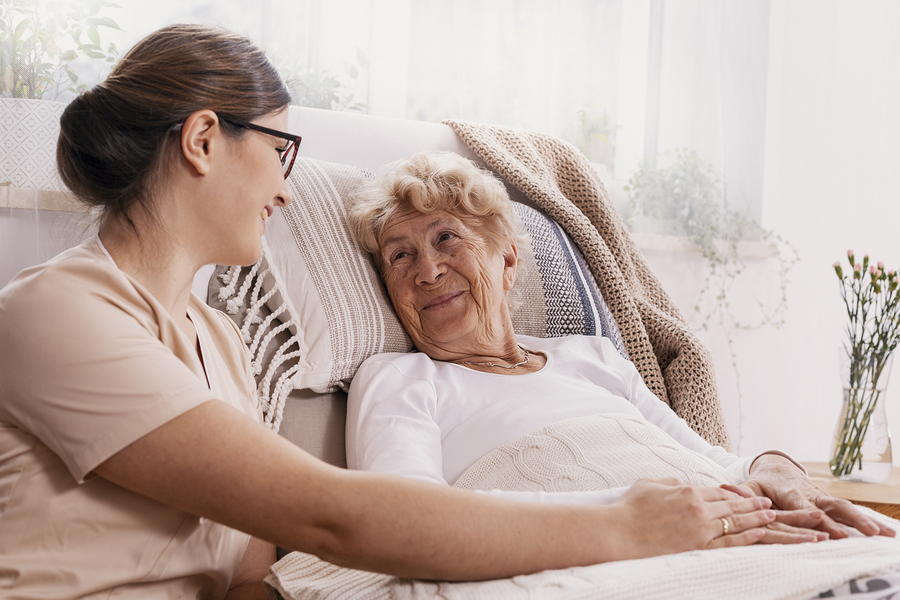
Music therapy offers numerous benefits for seniors, significantly enhancing their quality of life. Engaging with music can stimulate cognitive function, improve emotional well-being, and provide a way to obtain joy and comfort. Seniors participating in music therapy often experience reduced anxiety, improved mood, and enhanced social interaction. Integrating music therapy into senior home care routines could be particularly effective. Are now living in care professionals and live in care agencies recognize the positive impact of music therapy and often incorporate it within their caregiving strategies to foster a supportive and enriching environment for seniors. One of the very most significant great things about music therapy for seniors is cognitive stimulation. Music engages multiple aspects of the mind, which can help maintain and even improve cognitive function in older adults. This is particularly good for seniors with dementia or Alzheimer's disease, as music can trigger memories and provide a feeling of familiarity and comfort. In the context of 24 hour care at home and 24 hour home care, caregivers can use music therapy to produce a stimulating environment that promotes mental engagement and reduces the progression of cognitive decline.

Emotional well-being is another area where music therapy excels. Music has the ability to evoke emotions and memories, providing an outlet for expression and emotional release. Seniors often experience feelings of isolation or depression, and music therapy will help alleviate these emotions by fostering a feeling of connection and belonging. Live in care providers, particularly those involved in 24 hour care in home, can utilize music to produce a soothing and positive atmosphere, helping seniors manage their emotions more effectively. This emotional support is vital for maintaining overall mental health and well-being. Music therapy also plays a vital role in social interaction for seniors. Group music therapy sessions encourage seniors to talk with one another, fostering a feeling of community and reducing feelings of loneliness. This social aspect is required for seniors who could have limited opportunities for interaction. Reside in care agencies often organize group activities, including music therapy, to market social engagement amongst their clients. In settings such as for example home respite care and private respite care in the home, music therapy could be a valuable tool for bringing seniors together and enhancing their social connections. For seniors dealing with illness or surgery, music therapy is definitely an important component of home care after hospital discharge. It provides a non-invasive and enjoyable way to aid physical rehabilitation and pain management.

Playing or participating in music can distract from discomfort and encourage movement, which can be very theraputic for recovery. Caregivers providing after hospital home care or after hospital care in the home can incorporate music therapy into their care plans to assist in the healing process. This holistic approach ensures that seniors receive comprehensive support in their recovery. As well as its cognitive, emotional, and social benefits, music therapy also can enhance the entire caregiving experience. Reside in respite care providers can use music therapy as a tool to create rapport with seniors and produce a more engaging and supportive environment. Music can serve as a typical ground, helping caregivers connect using their clients on a greater level. This connection is especially important in 24 hour home care settings, where continuous care and companionship are essential. By integrating music therapy within their care routines, caregivers provides a far more personalized and fulfilling experience for seniors. In conclusion, music therapy offers a variety of benefits for seniors, from cognitive stimulation and emotional well-being to social interaction and physical rehabilitation. Incorporating music therapy into senior home care routines, whether through live in care or 24 hour care in the home, can greatly enhance the standard of living for seniors. Live in care agencies and caregivers play an essential role in implementing music therapy, making a supportive and enriching environment that fosters general health and happiness for seniors.

A Few Details About 24 Hour Care In Home

Social interaction is essential for older adults, and plays significant roles in their overall well-being. Regular engagement with others he...